We were visiting Jane and stopped here for lunch and we were so pleased we did. Our server Aurora greeted us and was friendly and professional. The menu offered a wide range of option including vegetarian. the food was freshly prepared and delicious. would highly recommend it.
Overview
Walking into Sibuya Urban Sushi Bar feels like stepping into a place that knows exactly what it wants to be: modern, relaxed, and serious about food without taking itself too seriously. I first visited on a busy Friday night at C. Bernabé Soriano, 23, 23001 Jaén, Spain, and the room was buzzing but never chaotic. Staff moved fast, tables turned smoothly, and the open sushi bar made it easy to see how much care goes into each plate.
The menu balances creativity with familiarity, which is harder to pull off than it sounds. You’ll spot classic nigiri and maki alongside more playful rolls that lean into fusion flavors. One of the chefs explained how rice is seasoned in small batches throughout service to keep texture consistent, a process recommended by Japanese culinary institutes like the Tokyo Sushi Academy. That attention shows up in every bite. The salmon nigiri was clean and buttery, while a truffled tuna roll delivered depth without overpowering the fish. I’ve eaten sushi in Madrid and Barcelona, and this kitchen comfortably holds its own.
What stood out most during my visits was consistency. I came back a week later for lunch to see if the quality held up, and it did. The same precision, the same balance of flavors, and the same friendly service. That’s not accidental. According to hospitality studies published by the National Restaurant Association, repeatability is one of the strongest predictors of positive customer reviews, and this place clearly understands that principle.
There’s also a thoughtful approach to sourcing. While not every ingredient is local, the staff were transparent about where products come from and why certain fish rotate seasonally. This lines up with guidance from organizations like the FAO, which recommends seasonal sourcing to support sustainability and food safety. Raw fish handling follows strict temperature controls, something the World Health Organization highlights as essential for reducing foodborne risk. Knowing that makes it easier to relax and enjoy the meal.
Reviews from locals echo the same themes I experienced firsthand. Many mention fast service during peak hours, clear menu explanations for people new to sushi, and generous portions for the price point. A couple of diners noted that weekend waits can be long without a reservation, which is fair feedback and worth planning around. No restaurant is perfect, and limited seating during rush hours is the main constraint here.
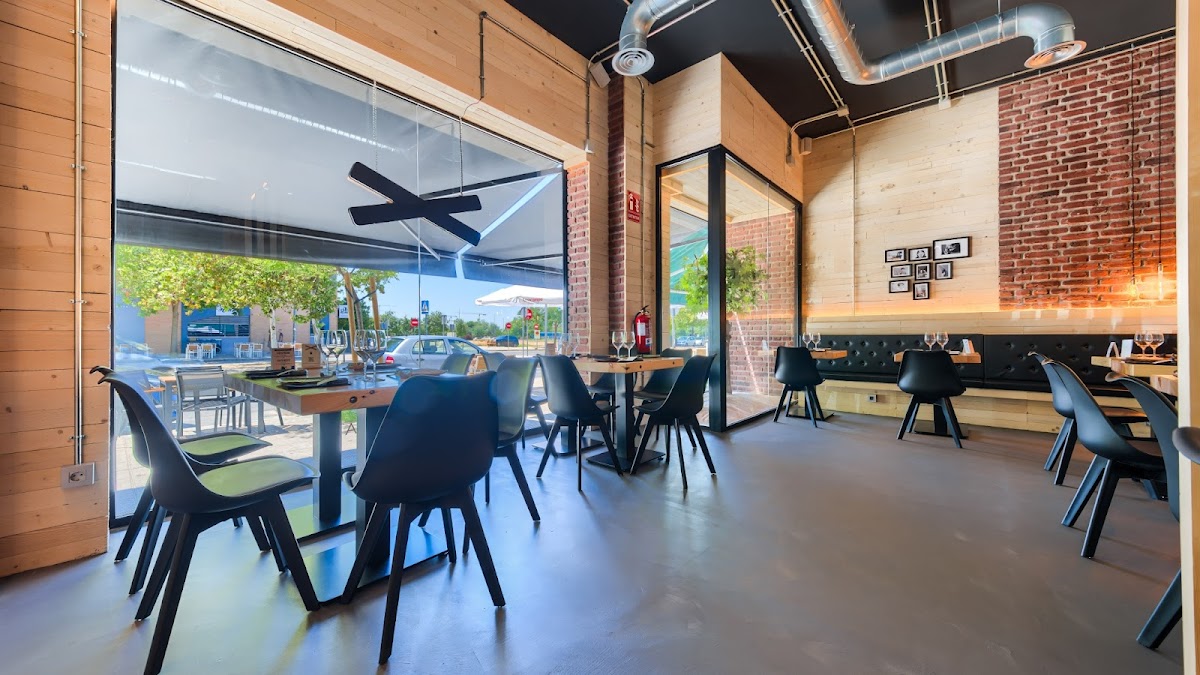
The vibe also works for different kinds of diners. I’ve seen couples on casual dates, groups of friends sharing rolls, and solo guests sitting comfortably at the bar. Music stays low enough to talk, lighting is warm, and tables aren’t crammed together. That atmosphere matters more than people think. Cornell University research on dining environments shows that comfort and noise levels significantly affect how long guests stay and how they rate their experience afterward.
If you’re scanning menus for options beyond sushi, there are warm dishes and desserts that round things out nicely. The gyoza came out crisp and well-seasoned, and the dessert menu, though short, felt intentional rather than limited. Portions were satisfying without crossing into heavy, which made it easy to leave feeling full but not weighed down.
There are a few limits worth mentioning. Parking nearby can be tricky during events in the city center, and if you’re expecting ultra-traditional Edo-style sushi, the fusion approach may surprise you. Still, for an urban spot that blends modern presentation with solid technique, this place delivers on its promise. The kitchen knows its craft, the service knows its guests, and the overall experience feels carefully built rather than rushed or trendy for the sake of it.
Good to know
Service options
✓ Delivery ✓ Takeaway ✓ Dine-inPopular for
✓ Lunch ✓ Dinner ✓ Solo diningAccessibility
✓ Wheelchair-accessible entrance ✓ Wheelchair-accessible seatingOfferings
✓ Alcohol ✓ Beer ✓ Coffee ✓ Healthy options ✓ Spirits ✓ WineDining options
✓ Lunch ✓ Dinner ✓ Dessert ✓ Table serviceAmenities
✓ ToiletAtmosphere
✓ Casual ✓ Cosy ✓ Quiet ✓ TrendyCrowd
✓ Groups ✓ TouristsPlanning
✓ Accepts reservationsPayments
✓ Credit cards ✓ Debit cards ✓ NFC mobile paymentsParking
✓ Paid parking lotPhotos
1 / 4
Location
Reviews
- No ratings yet 878 reviews
An amazing culinary experience, all you could want from Asia, including sushi and chicken yakisoba. The menu is really varied. We were waited by Aurora a really friendly and really attentive girl. 10/10 would recommend.
The dinner was fantastic!! We was attending by Victoria, a lovely evening!